
CENTER FOR THE GLOBAL PRACTICE OFDEATH INVESTIGATIONAT MEHARRY MEDICAL COLLEGE
Home / Our story

Every death contains information.

A Safer
Tomorrow
Starts Here.

Transforming death data into life-saving policy for healthier, more equitable communities.

Double-exposure portrait connecting a person with a city and natural landscape

A HEALTHIER
MORE EQUITABLE
WORLD

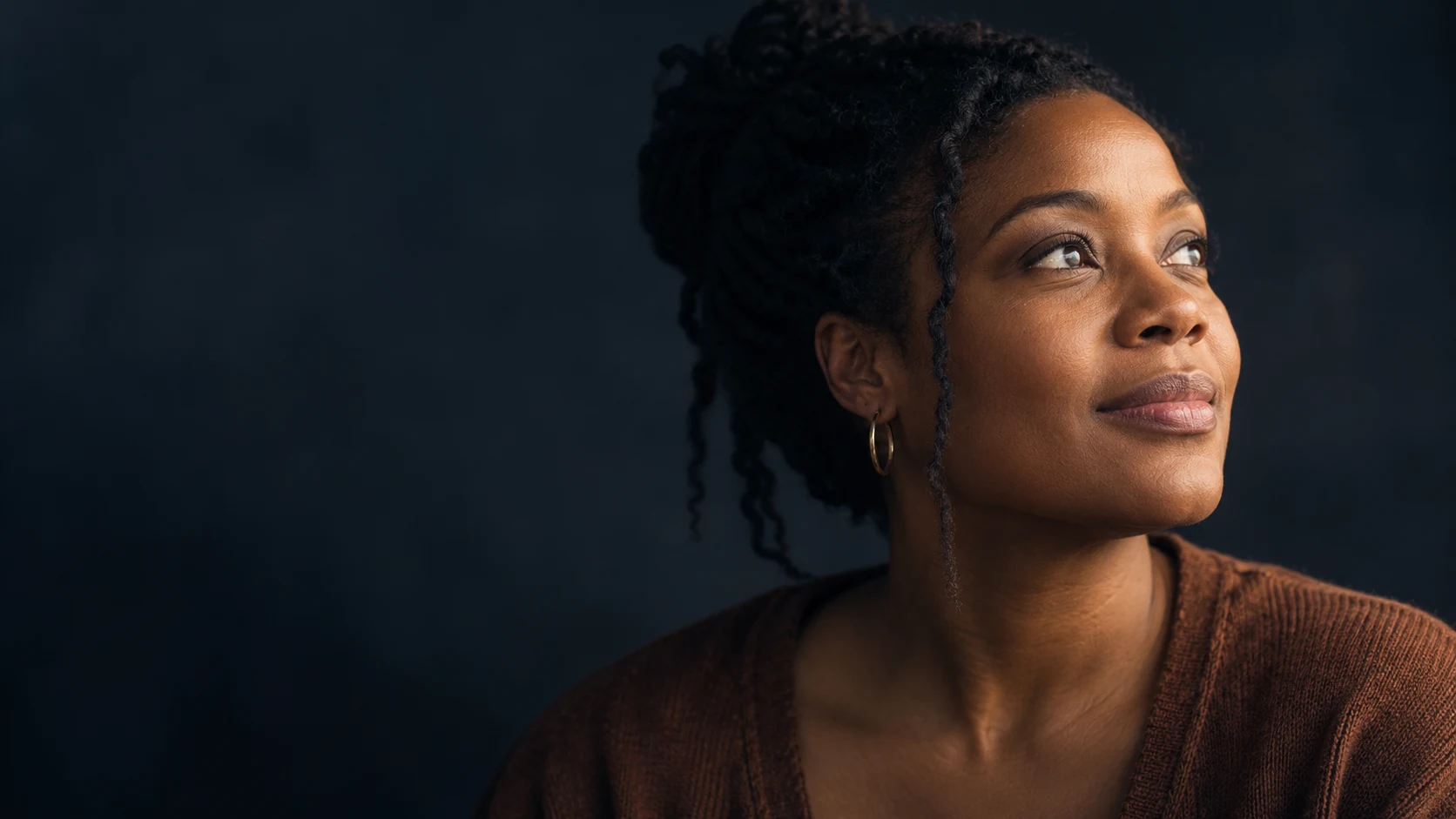
A contemplative portrait representing the lives and communities behind mortality evidenceA LIFE. A FAMILY. A COMMUNITY.

01 / Start with a person

Behind Every Number
Is a Person.

A life remembered.
A lesson that can protect the next.

Every death contains information. Autopsy findings, investigations, and historical records can show us where systems fail — and where prevention is possible.

At Meharry, we’re building a center that brings forensic medicine, public health, law, and community understanding together. Because evidence should do more than describe what happened. It should help change what happens next.

Follow the Evidence

02 / FROM EVIDENCE TO PREVENTION

Follow the evidence.
See what it can change.

Scroll to follow records into findings, policy, and systems that protect life. A conceptual view of the Center’s planned approach.

01 / Evidence

Every record holds part of a story.

Connect fragmented records to understand the circumstances of a death. Each color follows one evidence source through the journey.

INPUT
Autopsy findings · death certificates · fatality reviews · investigations
MAKES POSSIBLE
Connected mortality evidence
Scroll to transform the evidence
Read the complete approach

01 / Evidence

Every record holds part of a story.

Connect fragmented records to understand the circumstances of a death. Each color follows one evidence source through the journey.

Input: Autopsy findings · death certificates · fatality reviews · investigations

Output: Connected mortality evidence
02 / Findings

Together, the records reveal patterns.

Forensic medicine, public health, and legal expertise bring the evidence together to identify patterns, disparities, and gaps in systems.

Input: Connected mortality evidence

Output: Findings that reveal opportunities for prevention

03 / Policy

Findings become a framework for action.

Translate reviewed findings into policy briefs, model legislation, expert testimony, and practical recommendations for reform.

Input: Patterns, disparities & system gaps

Output: Evidence-informed proposals for decision-makers

04 / Prevention

Better systems can protect a life.

Support prevention strategies, workforce training, and stronger review systems. Public accountability helps lessons inform the next cycle.

Input: Recommendations for reform

Output: Stronger systems designed to protect communities

Illustrative connections, not individual case data or measured outcomes.

03 / Build the connections

From Fragmented Data
to Global Impact

Today, mortality evidence is fragmented, inconsistently reviewed, and too often disconnected from the policies that could save lives. We’re closing that gap — with science, collaboration, and action.

See how the work connects
70,000≈

Death investigations managed or supervised
Dr. Mitchell’s professional experience

7

Pathways to change

1

Mission
Learn from Death. Protect Life.

The gap we are built to close

Better Answers Begin
with Better Connections.

01

Fragmented mortality evidence

Autopsy findings, public-health data, justice records, and fatality reviews rarely tell their full story in isolation.

Connect the evidence.
02

Inconsistent review systems

Local, national, and global systems need standardized protocols and accountable follow-through.

Build a shared standard.
03

An evidence–policy disconnect

Findings must move beyond reports into policy briefs, model legislation, expert testimony, and administrative reform.

Turn insight into action.
04

A limited multidisciplinary workforce

Physicians, public-health professionals, lawyers, researchers, and forensic leaders need a common language.

Train across boundaries.

The connections become a practice

Seven Ways to Put
Evidence to Work

The journey needs more than a report. It needs people who can review a death, connect the findings, and help turn them into decisions.

Read the seven priorities Programs page
Better systems must reach those most often overlooked.Continue the story: health equity

04 / Ask who is being left behind

Make the Unseen
Visible.

Mortality evidence can expose barriers to health equity. Our proposed studies focus on the structural conditions that shape premature death.

The question is not only what happened — but who our systems are failing.

Research priority 01

Maternal mortality

Understand the systems surrounding pregnancy and birth, and the inequities that shape preventable maternal deaths.

Accountability needs experienced leadership.Meet the person helping build it

05 / Put experience to work

Experience becomes
capacity.

Evidence needs people who can turn it into practice. The Center draws on a career of asking difficult questions — and building the systems to act on the answers.

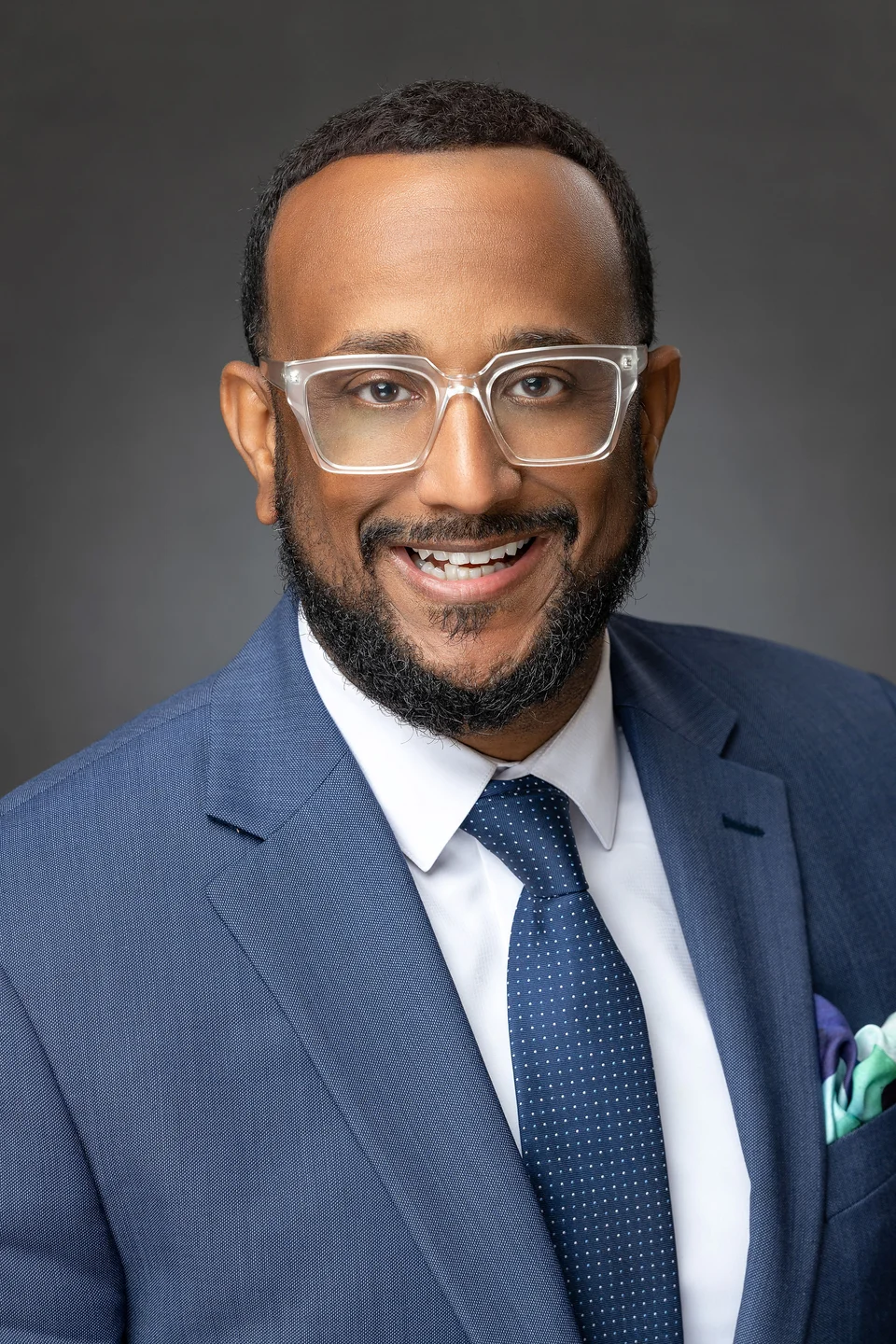
Portrait of Dr. Roger A. Mitchell Jr.

Roger A. Mitchell Jr., MD

Board-certified forensic pathologist.
Physician executive. Educator.

Professor, Meharry Medical College
126th President, National Medical Association

From professional experience → to the Center’s proposed work

  1. Nearly 70,000 investigations managed or supervised

    Ask better questions.

    A foundation in death investigation informs the Center’s approach to connecting forensic evidence, public health, and law.

  2. Accredited systems. Multidisciplinary review.

    Build the ability to act.

    In Washington, DC, Dr. Mitchell led the medical examiner’s office to full accreditation and established maternal, opioid, and violence mortality review committees.

  3. Clinical leadership. Education. Global relationships.

    Make the knowledge travel.

    At Meharry, that experience informs a proposed center connecting research, training, and policy — so more communities can learn from mortality evidence.

Explore the professional record

Executive discipline

Building institutions that endure.

As President of Howard University Hospital, Dr. Mitchell held responsibility for a $330 million operation, introduced its first five-year strategic plan, and achieved more than $1 million in recurring monthly cost-saving efficiencies.

Relationships across borders

Learning through global practice.

His professional work has supported medicolegal and mortality-review initiatives in Belize, Mumbai, Zambia, and Egypt. These experiences inform the Center’s ambition to strengthen local capacity through shared knowledge.

These are milestones from Dr. Mitchell’s career, distinct from the Center’s proposed programs and operating budget.

06 / Share what we learn

Learning Together.
Strengthening
Local Practice.

Dr. Mitchell’s work has supported medicolegal and mortality-review initiatives in Belize, Mumbai, Zambia, and Egypt. The Center’s vision builds on those relationships to connect evidence across borders.

Continue to our five-year vision
Connecting evidence across the world.

Knowledge that travels

A Shared Record.
A Stronger Practice.

The Center’s planned publications and convenings will connect professionals, policymakers, and communities around mortality evidence.

A finding travels further when people can use itScroll to connect · tap to explore
Make it accessible. The planned Record newsletter and podcast will bring mortality science into public conversation.

Planned newsletter & podcast

The Record

A platform for mortality science, public understanding, and the conversations that turn findings into prevention.

Planned monthly meetings

Global Technical Assistance

A regular forum for international partners to exchange expertise and strengthen medicolegal and mortality-review practice.

Planned annual convening

Mortality, Law,
and Policy Summit

Bring science, law, and public health into one room — with collaboration and practical reform at the center.

Shared knowledge needs a clear directionExplore the five-year ambition

07 / Set a direction

Evidence with
a Clear Direction.

Our proposed five-year goals provide a roadmap for partnership, research, and policy change — and a platform for national leadership in Death in Custody reform.

Five-year planning targetsRead the full five-year plan Partnership page
Connect locally10U.S. states
Connect globally5International government partners
Build knowledge5Peer-reviewed articles
Inform reform10+Policy actions
Ambition needs people and resourcesSee what partnership makes possible

08 / Make the work possible

Build the Capacity.
Multiply the Possibility.

Flexible philanthropic support can help launch and scale an academic center able to respond to emerging mortality patterns and turn independent evidence into action.

Support creates the capacity to actScroll to connect · tap to explore
Build capacity. Philanthropic support can provide the people, data infrastructure, and administration that make independent work possible.
01 / General operating support

The Foundation
for Lasting Impact.

Core leadership and staff. Data infrastructure. Research administration. Communications, convening, partnership development, and rapid-response capacity.

$1.2 millionProposed annual operating budget
02 / Programmatic support

A Pathway
That Reflects Your Purpose.

Support mortality review modernization, the analytics lab, policy translation, forensic case review, equity research, education, publications, or global convenings.

Read the partnership plan Partnership page

A legacy of prevention

Invest in What
Future Generations Can Learn.

Potential legacy opportunities may include:

  • Endowed leadership
  • Mortality Policy Institute
  • Death Equity Research Program
  • Global Medicolegal Death Investigation Initiative
  • Mortality, Law, and Policy Summit
  • Fellowship support

From understanding to participation

The Next Chapter
Starts with You.

We started with a person. We followed the evidence. Your partnership can help build the people, systems, and knowledge needed to protect the next life.

Proposed annual operating budget: $1.2 million

Give to Meharry

01 / Start with a person

Every Life Tells a Story.

Behind every number is a person, a family, and a community. Understanding why a life ended can reveal opportunities to protect the next one.

01ListenStart with the person.02UnderstandConnect the evidence.03ActMake prevention possible.

Our mission connects death investigation, research, education, and policy — so that what we learn can help build a safer, more equitable tomorrow.